
Skip to content
parents app
  • Parenting
    • Child behavior and emotions
    • Education & Learning for children
    • Connection & communication with your child
    • Family Life around children
  • Child Ages & Stages
    • Parenting infants (0-1 years)
    • Parenting toddlers (0-3 years)
    • Parenting preschoolers (3-6 years)
    • Parenting school age child (6-12 years)
    • Parenting teenagers (13-18 years)
  • Tools for Parents
    • Parenting Quizzes
    • Ask Sophie
  • Online Parenting Classes
    • I’m sick of you! How to stop arguing with your partner and kids and work as a team
    • Why your kid hates school: 5 steps to get your kid to do homework and love learning
  • About
    • Experts
    • Parents App
    • Parenting Programs
    • Science
    • Testimonials
    • Contact

Category: Child behavior and emotions

Children perceive and interpret their environment differently than adults (Demetriou et al. 2017). As their brains mature, they’re trying to make sense of their surroundings and their place within them. They’re constantly learning, testing, experimenting, and adapting their behavior based on the responses they get. This is also known as learning through cause and effect (Sobel & Somerville, 2010).

Your influence on your child’s behavior is substantial. You are their primary role model and, consequently, the one they often mimic (Atif et al., 2022). Your interactions with them, the tone of your conversations, and your reactions to how they act play a pivotal role in shaping their behavior. But this is not all. It is equally important to recognize the role of inborn traits.

A balanced approach to shaping child behavior requires a combination of understanding and accepting natural predispositions and guiding them toward positive behaviors. Through open communication and active listening, we can get to know our child’s unique personality and tailor our parenting strategies to support their growth and development. In all instances, it is essential to approach your child with empathy, patience, and openness, creating a safe space for them to express their feelings and concerns. Learn how!

Why Do Children Lie? Understand the Reasons Behind this Behavior & Find out How to React

A boy looking cross-eyed at his index finger while measuring his growing nose

Why do children lie? Uncover underlying reasons & discover effective solutions to foster honesty. Learn how to build trust today!

Understanding and Managing Attention Seeking Behavior in Children: Top 5 Effective Strategies

Mom talking on the phone while the son is screaming and demanding attention

Explore effective strategies to manage attention seeking behavior in child rearing. Understand how to address this natural yet challenging aspect so common in childhood.

Why Do Siblings Fight? How to Successfully Manage and Resolve Conflicts as a Parent

Brother and sister fighting

Why Do Siblings Often Lock Horns? Explore the Intriguing Dynamics Behind Their Battles and Discover Proven Strategies for Parents to Navigate the Turbulent Waters of Sibling Rivalry.

Level Up Your Parenting: Tackling Video Game Addiction in Your Child – Causes & Solutions 
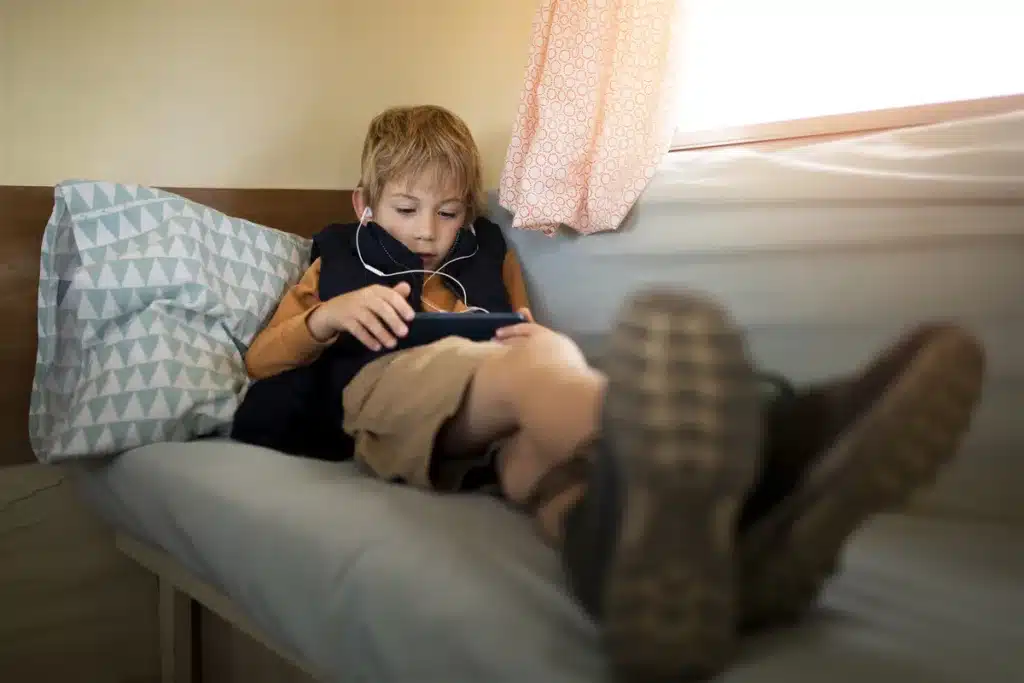
video game addiction - kid playing on tablet

Explore tools and strategies to combat video game addiction in children. This guide offers step-by-step actions for a healthy balance.

Signs of a spoiled child and how overindulging parenting may affect his life in the short and long term

Portrait of dark haired little girl wearing white t-shirt posing with pout lips and unhappy

Discover the signs and impacts of raising a spoiled child. Learn effective parenting strategies to support your child’s emotional well-being.

Understanding Why Kids Hit Themselves: Techniques to Stop the Behavior

Boy resting his head on a wall.

Children can display a wide range of behaviors when angry, frustrated, or having meltdowns. A child hitting himself can be distressing to witness, leaving parents wondering why their child engages in such behavior and how to help them cope.

Effective Screen Time Management for Kids: How to Set Limits for Kids Watching TV

Young boy sitting alone in front of a television captivated by the content on the screen.

Find effective screen time guidelines for kids watching TV. Learn how to set limits, promote healthy habits & ensure a balanced digital lifestyle for children.

Sharing is Caring: 5 Techniques to Teach Kids the Art of Sharing

Two little brothers sitting on the grass, happily sharing cups of hot chocolate.

You want to find out how to teach kids to share? Discover efficient techniques to encourage children to practice the art of sharing!

Top causes for child’s anger and effective solutions for parents

Boy yelling, a typical sign of anger issues.

Discover what causes anger issues in a child and how to address them effectively. Gain insights and strategies to support your child’s emotional well-being.

Why is better to say NO in a positive way to your child & 5 ways you can do this

Communicating efficiently with your child improves your relationship with them.

When we engage in effective communication with our children it can often feel like navigating a delicate labyrinth. One of the most important skills a parent can master is the ability to find positive ways to say no to a child, turning the refusal into a nurturing and affirmative communication tool.

← Previous
Next →